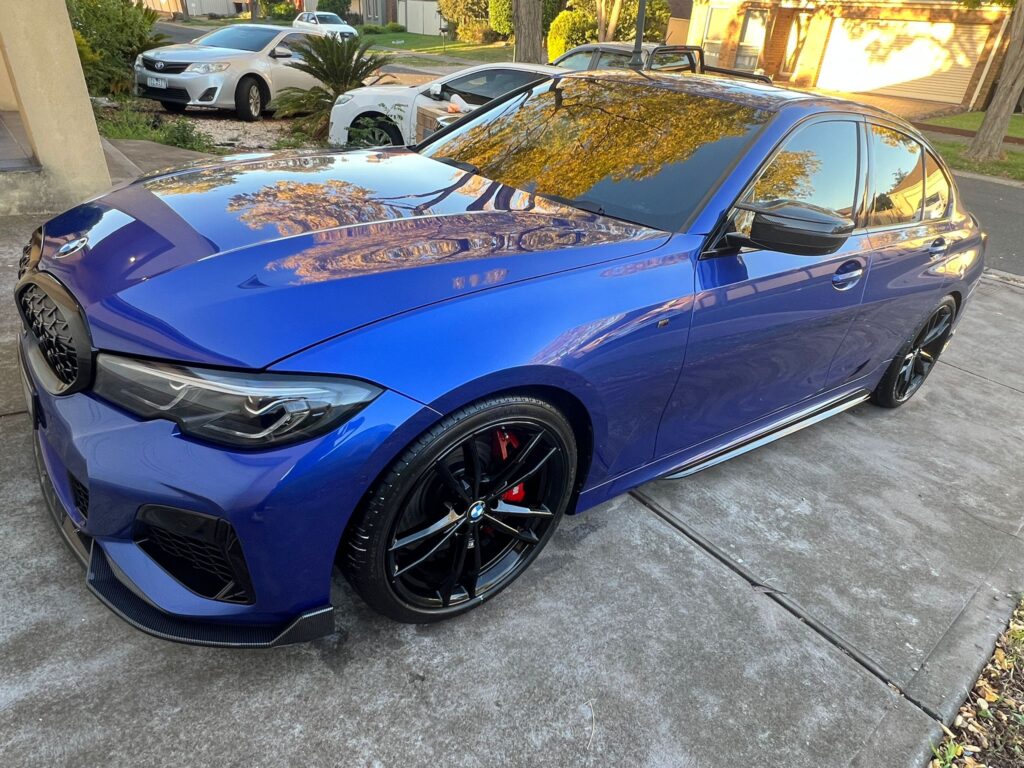
You walk around your car in direct sunlight and spot fine, spider-web-like lines engraved into the paint. Swirl marks from improper washing, light scratches from everyday use, and a dull, hazy finish that makes even a well-maintained vehicle look tired. Over time, exposure to UV rays, road grime, and environmental contaminants taking its toll and reduces the showroom gloss your car once had.
The solution? A professional cut and polish is a machine-based paint refinement process that levels out imperfections in the clear coat, restores clarity, and brings depth back to your vehicle’s finish.
But naturally, the question that follows is always the same: “How much does cut and polish cost?” Don’t worry! In this blog, we’ll explain cut and polish pricing, packages, and other cost factors in detail.
Let’s cut through the confusion and give you the real answer.
How Much Does It Cost to Cut and Polish A Car in Melbourne?
This is the section most people are here for, so let’s get straight to car cut and polish pricing.
| Package | Sedan | SUV | 4WD / Ute / 7-Seater |
| 1-Stage Cut and Polish | From $299 | From $349 | From $399 |
| 2-Stage Paint Correction | From $449 | From $549 | From $649 |
Note: Cut and polish prices vary between providers and according to paint condition and service inclusions.
You can get a personalised cut and polish quote based on your vehicle and paint condition from Ted Car Detailing.
What Does a Cut and Polish Include?
Exterior Hand Wash
Every proper cut and polish starts with a thorough exterior hand wash. Machine polishing over loose dirt or grit can drag debris across the paint and create new scratches, so a clean surface is the non-negotiable first step.
Paint Decontamination
Washing removes loose dirt, but it doesn’t remove everything stuck to the paint. Decontamination targets bonded contaminants such as road grime, tar, industrial fallout, and other embedded particles that sit on top of or within the clear coat.
Clay Bar Treatment
A clay bar is used when the paint still feels rough or gritty after washing, even though it looks clean. Running a clay bar over the surface lifts out contamination that washing alone can’t shift, leaving a smoother, cleaner base for the machine polishing stage.
Machine Cut and Polish
This is the core of the service. A rotary or dual-action polisher, paired with a cutting or finishing compound, works across the paint to level out fine imperfections in the clear coat. It’s not an aggressive process; the goal is to refine the surface without removing a more clear coat than necessary.
Paint Protection
Depending on the package, this stage may include wax, a synthetic sealant, or a paint protection product. Protection helps lock in the gloss and gives the paint a layer of defence against UV exposure, water spotting, and general road grime.
Important: Protection isn’t automatically included in every low-cost package. If a quote seems unusually cheap, it’s worth asking directly whether wax or sealant is included, or whether it’s an add-on.
What Factors Affect the Cut and Polish Cost?
Cut and polish costs can vary from one car to another. Several factors determine how much time, effort, and products are needed.
Vehicle Size
The primary element that affects the cut and polish price is vehicle size. The bigger the vehicle, the more paintwork there is to clean and polish. Hatchbacks and small sedans usually cost less, while SUVs, 4WDs, utes, and 7-seaters generally cost more.
Condition of the Paint
Paint that is dull, oxidised, heavily scratched, or covered with built-up dirt needs more preparation. This extra work can increase the overall cut-and-polish price.
Number of Correction Stages
The level of polishing also affects the price.
Single-stage cut and polish: Suitable for improving gloss and reducing light marks.
Two-stage paint correction: Includes a cutting stage and a polishing stage for more noticeable defects.
Multi-stage correction: Used when the paint has significant defects and needs several polishing passes.
Depth and Severity of Scratches
Light swirl marks and surface scratches are usually easier to improve than deep scratches. If a scratch has gone through the clear coat and into the paint, polishing may not remove it completely.
Paint Type and Vehicle Age
Different paint types respond differently to polishing. Older or badly weathered paint may also need extra care and time compared with newer, well-maintained paint.
Additional Services
Extra work can also increase the buff and polish price. This may include heavy paint decontamination, tar or overspray removal, severe oxidation treatment, extra polishing passes, or paint preparation before ceramic coating.
Single-Stage vs Two-Stage Cut and Polish: Which Costs More?
Single-Stage Cut and Polish
A single-stage service uses one main polishing pass to enhance gloss and reduce light defects. It suits the well-maintained vehicles that mainly need a refresh rather than heavy correction, and it’s usually the more affordable option, starting from roughly $299-$349 depending on vehicle size.
Two-Stage Paint Correction
Two-stage cut and polish adds a cutting or compounding stage before the refining polish. It takes more time, more labour, and generally more skill to execute safely, which is reflected in a higher price, typically starting from around $449-$649. It’s the better fit for black or dark-coloured cars, luxury vehicles, and paint with heavier swirling or oxidation.
Which One Does Your Car Need?
Choose single-stage if:
- Paint looks dull rather than damaged
- Light swirl marks are visible
- You mainly want more gloss
- The car is regularly maintained
- You’re working with a tighter budget
Consider two-stage correction if:
- Swirls are more noticeable, especially on dark paint
- Paint has heavier defects or haze
- The vehicle has significant oxidation
- You want stronger, longer-lasting correction
- You’re preparing the car for ceramic coating
Does a More Expensive Cut and Polish Give Better Results?
A higher cut and polish price does not always mean better results.
For example, a $250 service and a $500 service may include different levels of polishing, products, preparation, and paint correction. The right option depends on your car’s condition and the results you want.
What to Look for Instead of Choosing the Cheapest Price
Don’t choose a service based only on price. Before booking, check:
- What is included in the service
- How many polishing stages are included
- Whether the paint will be inspected first
- What products will be used
- What scratches and marks can realistically be reduced
- Whether paint protection is included
- Whether there are extra charges
- Before-and-after photos of previous work
- Customer reviews and the detailer’s reputation
A slightly higher cut and polish cost can be worthwhile if it includes better preparation, more thorough correction, or higher-quality products.
Can a Cut and Polish Remove Scratches?
A cut and polish can reduce some scratches, but it cannot remove every type of scratch. The result depends on how deep the scratch is and how much damage the paint has.
Scratches That Can Usually Be Reduced
Machine polishing can improve or remove many light paint defects, including:
- Light surface scratches
- Swirl marks
- Wash marks
- Light oxidation
- Paint haze
These defects are usually found on or near the surface of the clear coat and can respond well to polishing.
Scratches That May Not Be Correctable
Deep scratches that have gone through the clear coat and into the paint or primer usually cannot be fully removed with polishing. A paint correction may make them less noticeable, but trying to remove them completely could further damage the paint.
Also read our guide: Can Cut and Polish Remove Scratches?
Mobile vs Workshop Cut and Polish
You can get a cut and polish at a workshop or have a detailer come to your home or workplace. Both options can provide good results when the detailer has the right skills, tools, and products.
A mobile cut and polish is convenient because you don’t need to drop off or collect your car. The detailer brings the equipment to you, making it a good option for busy car owners.
A workshop provides a more controlled environment with better lighting and protection from dust and weather. This can be useful for detailed or more advanced paint correction.
In most cases, the choice is more about convenience and working conditions than price. The quality of the job depends mainly on the detailer’s experience, equipment, and approach.
How Long Does a Cut and Polish Take?
Timeframes depend on vehicle size and how much correction the paint needs. The general process includes:
- Preparation and washing
- Decontamination
- Machine polishing
- Final inspection
- Protection application
A basic single-stage service takes a few hours, while larger vehicles or more intensive two-stage correction takes longer, at least half a day.
Is Cut and Polish Worth the Cost?
For cars with dull, faded, or hazy paint, a cut and polish can be worth the cost. It can improve the paint’s gloss, clarity, and overall appearance while reducing light swirl marks and surface defects.
A cut and polish detailing can also be useful before selling a car, as a clean, glossy exterior can make the vehicle look more appealing. It may also be recommended before ceramic coating to improve the paint condition before the coating is applied.
However, buffing and polishing may not be the best solution for deep scratches that have damaged the paint or primer. In these cases, polishing can improve the surrounding paint and make the damage less noticeable, but it may not remove the scratch completely.
When You Need Ceramic Coating Instead
If your goal is long-term protection rather than a one-off gloss improvement, ceramic coating is worth considering alongside or after a cut and polish. Coating doesn’t correct existing paint defects; it seals whatever condition the paint is already in, which is why correction usually comes first. If your paint is already in reasonably good condition and your main concern is protecting it from UV, water spotting, and everyday grime going forward, a light polish followed by ceramic coating is typically a better investment than repeated cut and polish sessions over time.
Final Words
There isn’t one fixed cut and polish cost; vehicle size, paint condition, and the level of correction required are the biggest factors behind any quote. A basic single-stage service suits many cars with dullness and light defects, while more damaged or heavily swirled paint may need two-stage or more advanced correction. Rather than choosing solely on price, it’s worth comparing inclusions and realistic expected results between quotes.
If you’re not sure which level of correction your car needs, request a quote or a paint assessment from Ted Car Detailing. A proper inspection is the fastest way to get an accurate price and a realistic idea of what result to expect.
Frequently Asked Questions
How much does a cut and polish cost in Melbourne?
A typical single-stage service starts from around $299-$399 depending on vehicle size, while two-stage paint correction typically starts from $449-$649. Prices vary based on paint condition, vehicle size, and what’s included in the package.
How much is a cut and polish for a car?
It depends mainly on the vehicle’s size and how much correction the paint needs. Smaller, well-maintained cars sit at the lower end, while larger vehicles or those with heavier swirling and oxidation cost more.
What is the average cut and polish price?
Melbourne pricing generally falls between roughly $299 and $650, with single-stage services at the lower end and two-stage correction at the higher end.
Is cut and polish worth the money?
Yes, for paint that’s dull, faded, hazy, or lightly swirled, the improvement in gloss and appearance is usually significant. It’s also commonly worthwhile before selling a car or applying ceramic coating.
Does cut and polish remove scratches?
It can effectively reduce light surface scratches, swirl marks, and wash marks. Deep scratches through the clear coat and into the paint typically can’t be fully removed by polishing alone.
How long does a cut and polish take?
A single-stage service usually takes a few hours, while two-stage correction and larger vehicles can take half a day or longer.
Is cut and polish the same as paint correction?
The terms overlap, but they’re not always identical. Multi-stage correction generally involves more extensive defect removal than a standard single-stage cut and polish.
Should I get cut and polish before ceramic coating?
Generally, yes. Ceramic coating seals whatever condition the paint is already in, so correcting swirl marks, oxidation, and dullness beforehand gives the coating a cleaner surface to bond to and a better long-term result.
Can cut and polish damage car paint?
When performed correctly, with the correction level matched to the paint’s condition, a cut and polish is safe. Risk comes from overly aggressive compounding or excessive clear coat removal, which is why a paint inspection before the service matters.